
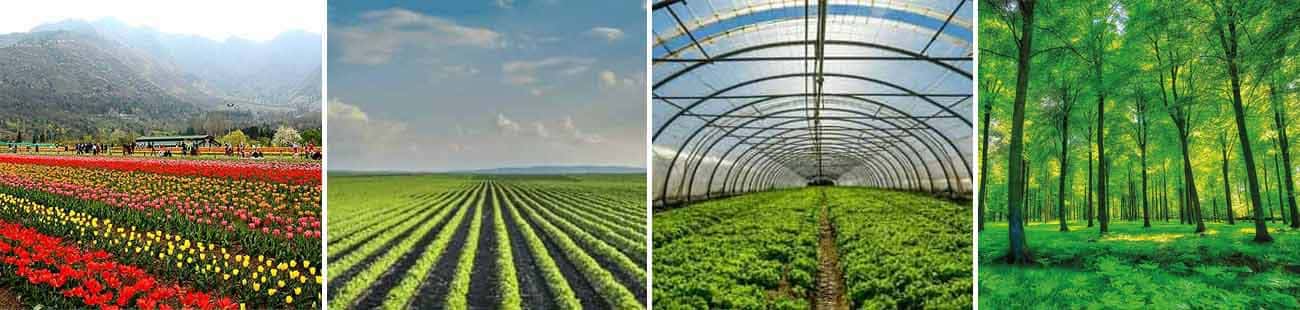
Botanical
horticulture is a specialized field that applies horticultural techniques
to the study, cultivation, and conservation of plants within botanical gardens
and other heritage or conservation landscapes. It involves growing,
experimenting with, and caring for plants to understand their needs, promote
their health and bloom, and contribute to the preservation of plant collections for scientific, educational, and public enjoyment.
tudy at the Bo become a professional horticulturalist.
Research concepts Botanical Horticulturists apure and applied
science Gentics Ecology, applied biology evaluate plant performance, landscape
experiment with cultivation techniques, and contribute to the scientific
understanding of plants, for their ecological biodivesity and their study of
enviroments.
Greenery
in a landscape is the visual element created by plants, and this is studied
through botany (the scientific study of plants) and horticulture (the
cultivation of plants), particularly in a branch called landscape
horticulture. Horticulture focuses on cultivating fruits, vegetables, and
ornamental plants for human use and enjoyment, encompassing practices like
plant propagation, soil management, pest control, and landscape
design. Landscape horticulture applies these principles to the creation
and maintenance of green spaces.
A botanical greenery corridor is a connected strip of land featuring significant vegetation that serves as a path for wildlife and plants, linking larger natural areas and promoting biodiversity within fragmented landscapes. It enhances ecosystems by creating connections, improving air and noise quality, and mitigating the urban heat island effect. These corridors can include parks, boulevards, and naturalized areas, often incorporating paths for people, and are crucial for creating healthier, more sustainable, and ecologically diverse urban environments.
A botanical greenery corridor is a connected strip of land featuring significant vegetation that serves as a A botanical greenery corridor is a connected strip of land featuring significant vegetation that serves as a path for wildlife and plants, linking larger natural areas and promoting biodiversity within fragmented landscapes. It enhances ecosystems by creating connections, improving air and noise quality, and mitigating the urban heat island effect. These corridors can include parks, boulevards, and naturalized areas, often incorporating paths for people, and are crucial for creating healthier, more sustainable, and ecologically diverse environmental resilience.
Please enter the email address corresponding to this article submission.